Auto Lockout Kits
Dealerships move vehicles constantly: to the wash bay, onto the line, off the truck, around the lot. Eventually a set of keys ends up locked inside one. A lockout kit means that costs ten minutes and an apology rather than a locksmith call-out fee and a customer waiting at the counter.
Two Kits
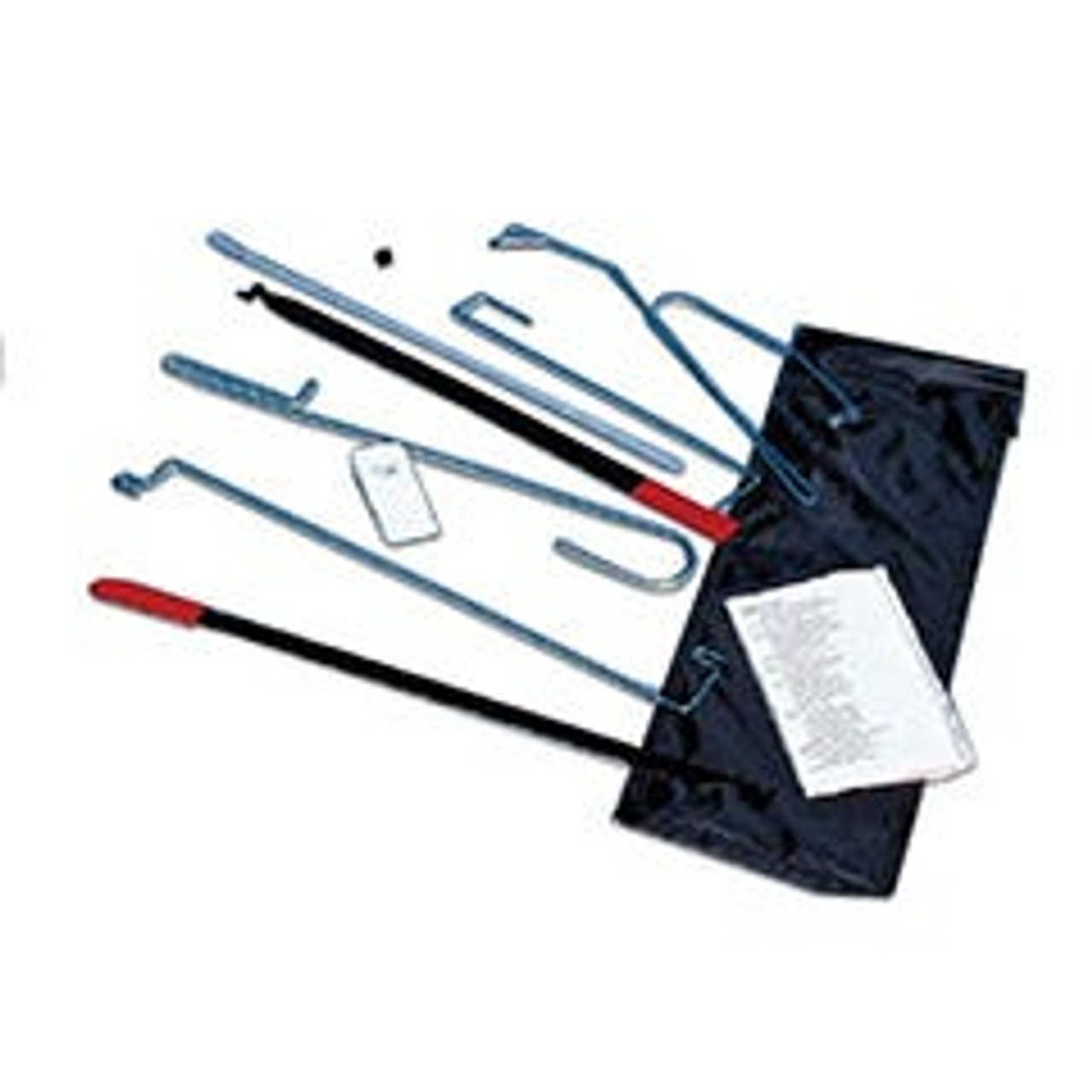
The Economy Emergency Door Entry Tool Kit holds 9 tools in a carrying pouch. It covers the common cases and costs less than a single locksmith visit, which makes it worth having even at a small store that rarely needs it.
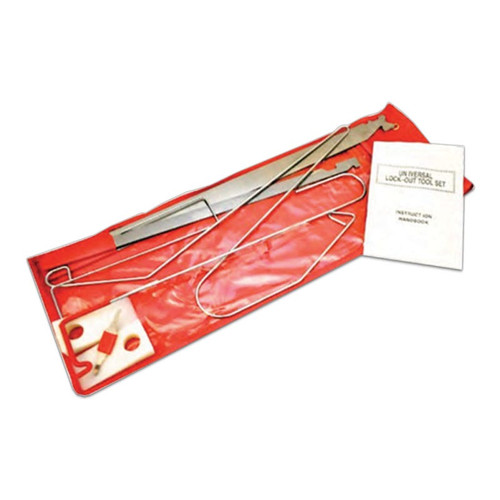
The Deluxe Emergency Door Entry Tool Kit holds 18 tools in a slim three-fold case with labelled pockets. The labelling matters more than it sounds: it tells you at a glance whether anything is missing when the case comes back, which is how a kit stays complete over years rather than gradually losing pieces.
Which One
Volume and variety decide it. A store handling a handful of lockouts a year, mostly on its own inventory, is well served by the economy kit. A high-volume operation, a group covering several rooftops, or a shop seeing a wide range of makes and ages gets more use from the deluxe kit's range and from a case that survives being carried out to the lot repeatedly.
Before You Use One
Not every vehicle can be opened mechanically. Many late-model vehicles have electronic locking, and doors on most modern vehicles house side airbags and wiring in exactly the space these tools occupy. Where a vehicle is new, unfamiliar, or belongs to a customer, weigh a call to roadside assistance or a locksmith against the cost of a damaged door card, a deployed airbag, or a paint scratch on a unit you are trying to sell.
Keep the kit controlled. Store it with the service manager or in a locked cabinet rather than loose in a drawer, and limit use to trained staff. These are tools for your own inventory and for customer vehicles in your care, with the owner's knowledge.
Preventing Lockouts
The cheaper fix is not losing track of keys in the first place. Key control cabinets and key systems give keys a fixed home and, with the Cobra system, a record of who took them. Service key tags keep keys identified, and the Job Ticket Control Center holds keys with the work order so the two cannot separate. A dealership using a lockout kit weekly has a key control problem rather than a tool problem.
Related Service Supplies
See night drop boxes and envelopes for after-hours key handling, auto service dispatch tags for tracking vehicles through the shop, and all service department misc supplies.